
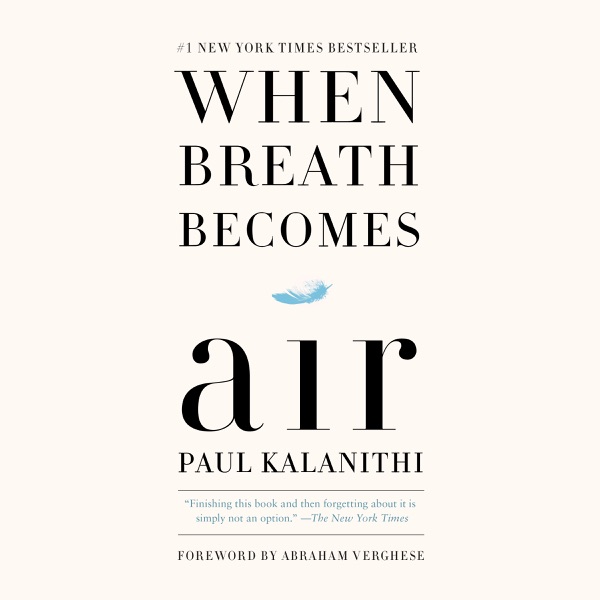


A neurosurgeon’s hands glowed under infrared light in the hospital imaging lab, and within seconds the radiologist’s expression told him what he already knew: terminal lung cancer, metastatic, incurable. I’ve spent real hours with the When Breath Becomes Air audiobook, so here is the verdict.
When Breath Becomes Air Audiobook: A Memoir That Refuses Comfort
Paul Kalanithi wasn’t imagining someone else’s diagnosis. He was staring at his own.
When Breath Becomes Air is Paul’s unflinching account of what happened next. It’s a memoir that refuses to soften itself with inspirational platitudes or neat resolutions. Instead, it sits with you in the real discomfort of a brilliant, accomplished neurosurgeon watching his future collapse and asking, with surgical precision: What does a life mean when it’s running out? And why did medicine matter to him anyway?
I came to this audiobook after weeks of hesitation. Terminal-illness memoirs can feel exploitative if they’re handled poorly, and I needed to know whether this one actually earned its acclaim. It did, and then some. But I’ll be direct: this isn’t background listening. This is a book that demands your full attention and your emotional honesty.
**The Scalpel Turns Inward**
Paul’s voice—as rendered by narrator Sunil Malhotra—pulls you into the operating room from the opening pages. Before the diagnosis arrives, you’re inside his mind as a neurosurgeon: watching him describe the precision, the weight of responsibility, the strange intimacy of operating on a patient’s brain. He writes about that world with the kind of clarity only someone who’s carried that burden can manage.
What makes this section so gripping is that Paul isn’t performing for you. He’s thinking aloud, walking through his training at Yale, his marriage to Lucy, his sense of standing on the threshold of the life he’d spent years building toward. Malhotra’s narration preserves that directness beautifully. He doesn’t oversell the drama; he lets each moment breathe. And then the diagnosis arrives—not as a plot twist, but as a wall that stops everything.
**When Your Career Becomes Your Catastrophe**
This is where many memoirs falter. They wallow. They become exercises in suffering. Paul does neither. Instead, he pivots with remarkable honesty: Now that he knows he’s dying, what does he actually want? Is continuing his career worth the time he has left? What does fatherhood mean if he won’t live to see his child’s adulthood?
These aren’t rhetorical questions for him—they’re urgent, impossible, and he works through them with a philosopher’s rigor and a husband’s vulnerability. Malhotra holds the tension here beautifully. There’s no melodrama, just the sound of a man thinking through the largest questions he’s ever faced. If you’ve listened to memoirs like Educated, you recognize that rare quality of unflinching self-examination. Get the When Breath Becomes Air Audiobook on AmazonListen on Audible · also in Kindle & print Paul doesn’t look away from his own contradictions. Neither does Malhotra.
Two Narrators, One Unbroken Voice
**Two Narrators, One Testament**
Here’s something important: Paul’s wife, Lucy, wrote an epilogue. It’s brief—maybe 15-20 minutes of the full 5.5-hour audiobook—and it’s narrated by Cassandra Campbell. Campbell’s voice is different from Malhotra’s: warmer, more intimate, more human in a different register.
Some listeners might find the switch jarring. I didn’t. If anything, it deepens the impact. Hearing Lucy’s account of Paul’s final days in a different voice underscores the fundamental shift: we’ve moved from Paul’s introspection to the experience of those who loved him and had to let him go. Campbell’s narration of the epilogue carries the weight of that loss. The two narrators together create a complete portrait—Paul’s mind, then the hearts of those he left behind.
| Author | Paul Kalanithi |
|---|---|
| Narrator | Sunil Malhotra; Cassandra Campbell |
| Length | 5 hours 30 minutes |
**Why This Book Stays With You**
When Breath Becomes Air isn’t trying to be profound. It simply is. Paul writes about mortality, medicine, meaning, and love without reaching for easy answers. He describes wanting to be a father while uncertain whether he should bring a child into the world given his diagnosis. He talks about the gap between what he valued and what matters when time is finite. Like memoirs such as Crying in H Mart, this one achieves something rare: psychological acuity without self-pity.
Listen to this if you’re ready to ask hard questions about what makes a life worth living. Listen if you want to understand what a career in medicine actually feels like from the inside. Listen because Paul Kalanithi’s voice—preserved in Sunil Malhotra’s steady, clear narration—deserves to be heard. This audiobook doesn’t wrap up neatly. Get the When Breath Becomes Air Audiobook on AmazonListen on Audible · also in Kindle & print But that’s the whole point.
**Three Questions Listeners Ask**
**Q: Will this book depress me?**
A: Not in a destructive way. It’s sobering, yes. But Paul’s refusal to perform despair is oddly sustaining. You’ll feel the weight of his situation, but you’ll also feel his intelligence and his love. The emotional experience is closer to catharsis than drowning.
**Q: Can I listen while doing other things?**
A: I wouldn’t recommend it. This needs your full presence. Even a 15-minute commute works fine if you’re genuinely listening, but don’t relegate it to background noise. Paul’s prose deserves better.
**Q: Is the epilogue part of the audiobook I’ll hear?**
A: Yes. Both Sunil Malhotra’s narration and Cassandra Campbell’s reading of Lucy’s epilogue are part of the standard audiobook edition. They’re essential to the whole.