
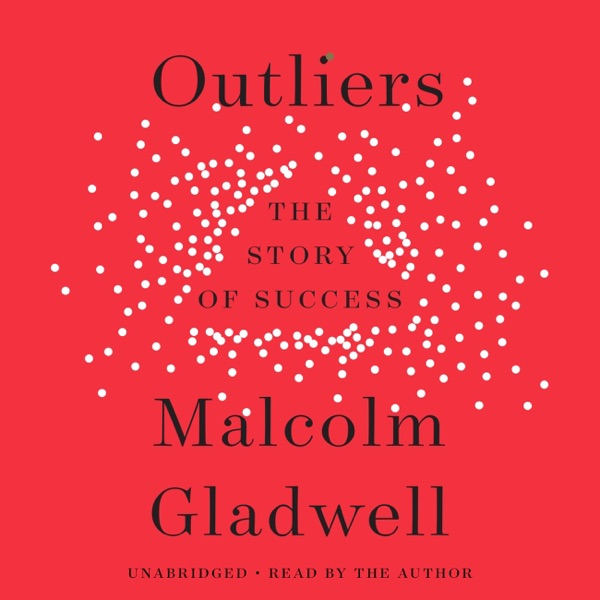


In the Canadian city of Thunder Bay, the difference between being born in January versus December meant the difference between playing in the National Hockey League and never cracking the junior roster at all. What follows is my honest read on the Outliers audiobook. That simple, almost absurd fact launches Malcolm Gladwell into his masterwork on the hidden factors that separate the genuinely exceptional from the merely talented. Outliers isn’t a book that congratulates the naturally gifted—it’s a book that destroys the mythology of the self-made genius, then rebuilds your understanding of success from the ground up.
The Birthday Conspiracy Nobody Suspects
The hockey player example seems almost quaint now, but Gladwell uses it as a Trojan horse to smuggle in a far larger argument: that success is environmental architecture, not purely individual merit. When you’re born in January, you’re slightly older than your peers throughout your school years. Slightly more physical development. Slightly more confidence. By the time college scouts are evaluating, that tiny edge compounds into an unbridgeable gap. Gladwell doesn’t stop there—he traces this pattern across professional athletes, scholars, even tech entrepreneurs, each time pulling back to reveal the scaffolding we never bothered to notice. The audiobook, narrated by Gladwell himself over seven hours and eighteen minutes, lets you hear him work through these revelations with the kind of deliberate pacing that makes the obvious suddenly feel like a conspiracy you’ve been living inside all along.
Get the Outliers Audiobook on AmazonListen on Audible · also in Kindle & printThe 10,000-Hour Rule (And Everything Else)
Most people think they know what Gladwell says about mastery—the famous 10,000 hours. But Outliers is far more sophisticated than that single statistic. The book argues that beyond basic competence, extreme success requires a specific convergence: raw ability, yes, but also cultural background, generational timing, luck, circumstance, and relentless opportunity to practice. The Beatles didn’t become the Beatles because they practiced harder than everyone; they practiced 10,000 hours precisely because Hamburg’s clubs demanded eight-hour sets night after night. The opportunity came first. The talent seized it. Gladwell walks you through his investigation of the Korean Air disasters, the genius of Robert Oppenheimer, the unlikely rise of Bill Gates—each story hammering home the same insight: outliers are made, not born. If you’ve wrestled with your own ambitions and wondered why effort alone hasn’t closed the gap, this book cuts through the self-help mythology. It’s also worth pairing this with Atomic Habits, which digs deeper into the mechanics of practice itself, and Mindset, which explores how our beliefs about ability shape our persistence.
Gladwell Performing His Own Argument
The choice to have Gladwell narrate his own work matters more than you might think. His voice carries the conversational, digressive rhythm of someone thinking out loud—exactly the texture the book requires. He’s not performing; he’s explaining. When he describes the Roseto mystery (a Pennsylvania Italian-American town with suspiciously low rates of heart disease), his tone shifts to match the puzzle-solving quality of his investigation.
| Author | Malcolm Gladwell |
|---|---|
| Narrator | Malcolm Gladwell |
| Length | 7 hours 18 minutes |
The Uncomfortable Truth About Advantage
What makes Outliers genuinely provocative is that it doesn’t flatter its audience. If you’re successful, Gladwell’s argument means you owe a debt to timing, family background, cultural advantage, and sheer luck that no individual narrative can capture. That’s either humbling or infuriating, depending on what story you’ve been telling yourself. The book refuses the bootstrap mythology, and for some listeners, that’s a relief; for others, it’s a threat. Gladwell presents the evidence unflinchingly—the data on school starting ages, the research on meaningful practice, the sociology of opportunity. He’s not interested in making you feel better about yourself; he’s interested in telling you how the world actually works. That intellectual honesty is one reason this book has remained relevant across nearly two decades.
Why This Matters More Than You Think
In a culture obsessed with personal brands and individual achievement, Outliers is the corrective we need. It won’t give you a ten-step plan to success, and it won’t make you feel like your talent alone guarantees anything. What it will do is fundamentally reframe how you see achievement—your own and everyone else’s. When you finish, you’ll stop asking “Why didn’t they try harder?” and start asking “What circumstances aligned to make their effort possible?” That shift in perspective changes how you evaluate your own path and how you extend grace to those still climbing. Whether you’re listening during your commute or carving out dedicated time for something this meaty, Gladwell’s voice and the stories he tells are worth the seven-plus hours of your time. Consider this essential listening if you’re building anything ambitious, managing talented people, or simply tired of the mythology that individual willpower conquers all.